

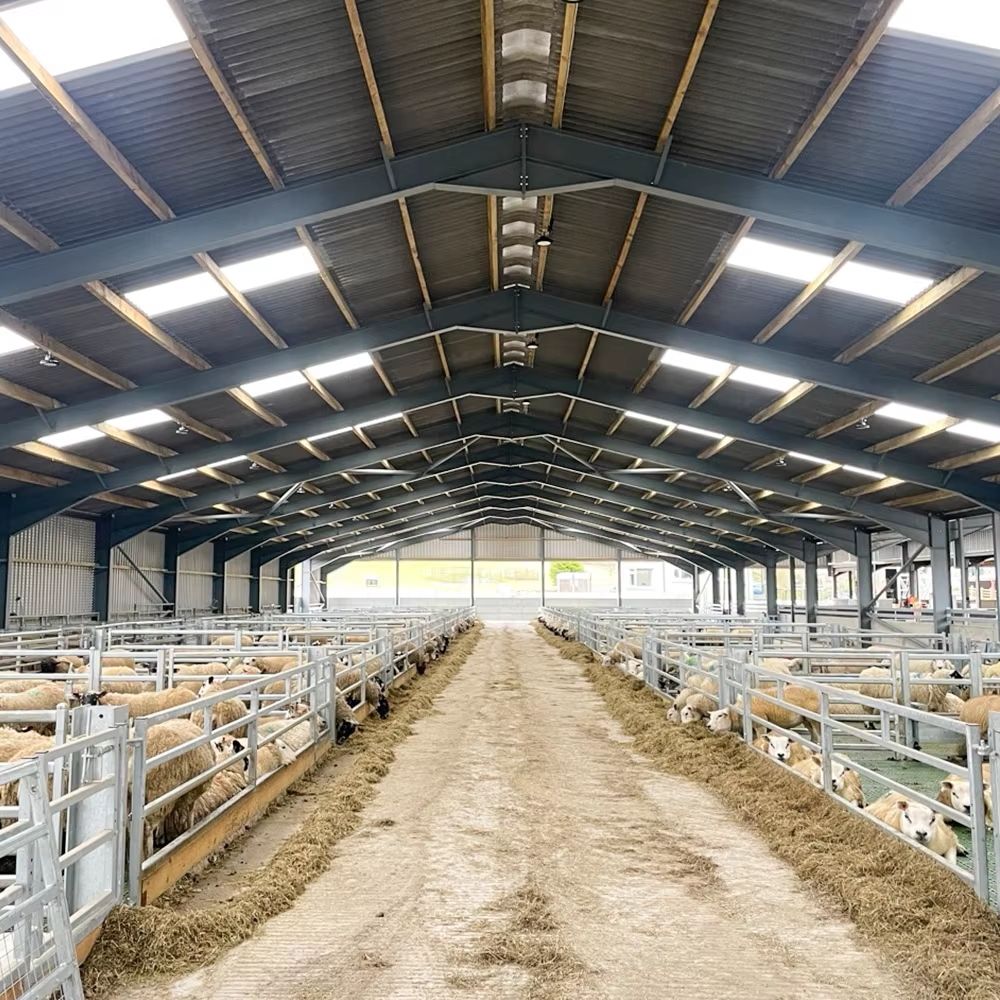
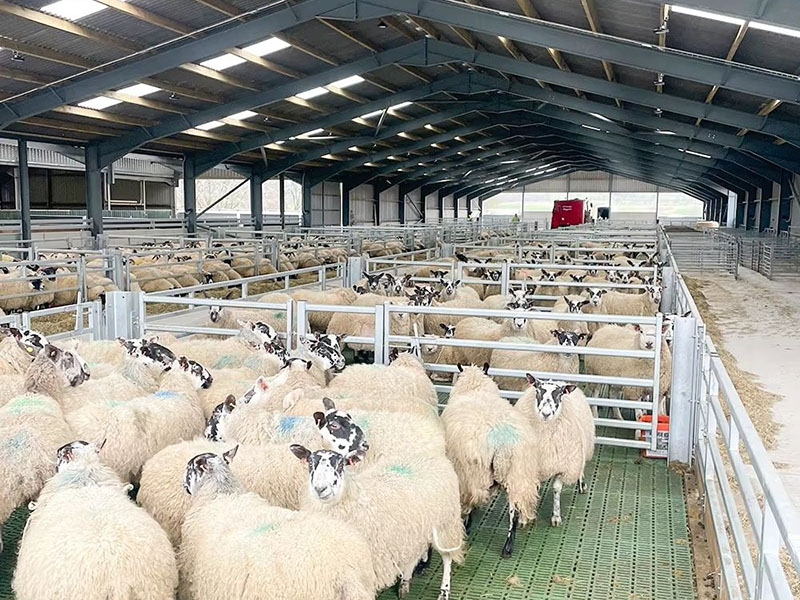
In modern livestock farming, the construction of sheep housing plays a pivotal role in ensuring flock health, improving breeding efficiency, and reducing long-term operational costs. With the continuous advancement of construction materials and technology, stainless steel has emerged as a preferred material for sheep barn construction, replacing traditional options such as wood, adobe, and ordinary concrete. This article elaborates on the unique advantages of stainless steel sheep barns, key design considerations, critical construction links, and maintenance strategies, providing comprehensive guidance for farmers and ranchers engaged in sheep farming.
1. Unique Advantages of Stainless Steel Sheep Barns
Compared with traditional sheep barn structures, stainless steel sheep barns possess multiple inherent advantages that align with the requirements of modern intensive and eco-friendly farming.
1.1 Exceptional Durability and Corrosion Resistance
Sheep barns are constantly exposed to harsh environmental conditions, including rain, snow, humidity, and animal excreta, which can easily cause corrosion and deterioration of ordinary materials. Stainless steel, especially when treated with hot-dip galvanization, exhibits excellent resistance to corrosion, rust, and chemical erosion from manure and urine 1. This characteristic ensures that the barn structure remains stable and intact for a long service life, generally 20-30 years, significantly reducing the frequency of repairs and replacements compared to wooden or adobe barns.
1.2 Superior Hygiene and Disease Prevention
Hygiene control is crucial in sheep farming to prevent the spread of diseases. Stainless steel surfaces are smooth, non-porous, and easy to clean—they can be thoroughly sanitized with simple soap and water or high-pressure washers 2. Unlike wood, stainless steel does not absorb moisture, which eliminates the breeding grounds for mold, mildew, and pests such as rodents and insects. This creates a clean and healthy living environment for sheep, reducing the risk of infectious diseases and improving flock survival rates.
1.3 Excellent Fire Resistance and Safety
Fire hazards are a major concern in livestock barns, especially with the storage of hay, straw, and other flammable materials. Stainless steel is inherently non-flammable, making it far safer than wooden structures 6. The use of stainless steel in barn construction minimizes the risk of fire spread, protecting the lives of the flock and reducing potential economic losses. Additionally, some insurance companies offer preferential premiums for farms using fire-resistant building materials, further lowering operational costs.